At the halfway point of the year, the commercial real estate market is revealing a more nuanced story than headlines alone might suggest. While economic uncertainty and higher borrowing costs continue to influence decision-making, demand across retail, industrial, and office properties remains active.
Rather than a broad-based surge in activity, the market is rewarding properties that offer the right combination of location, functionality, and long-term value. Understanding where tenants and investors are concentrating their attention can provide valuable insight into what the second half of the year may hold.
Retail: Fundamentals Remain Strong
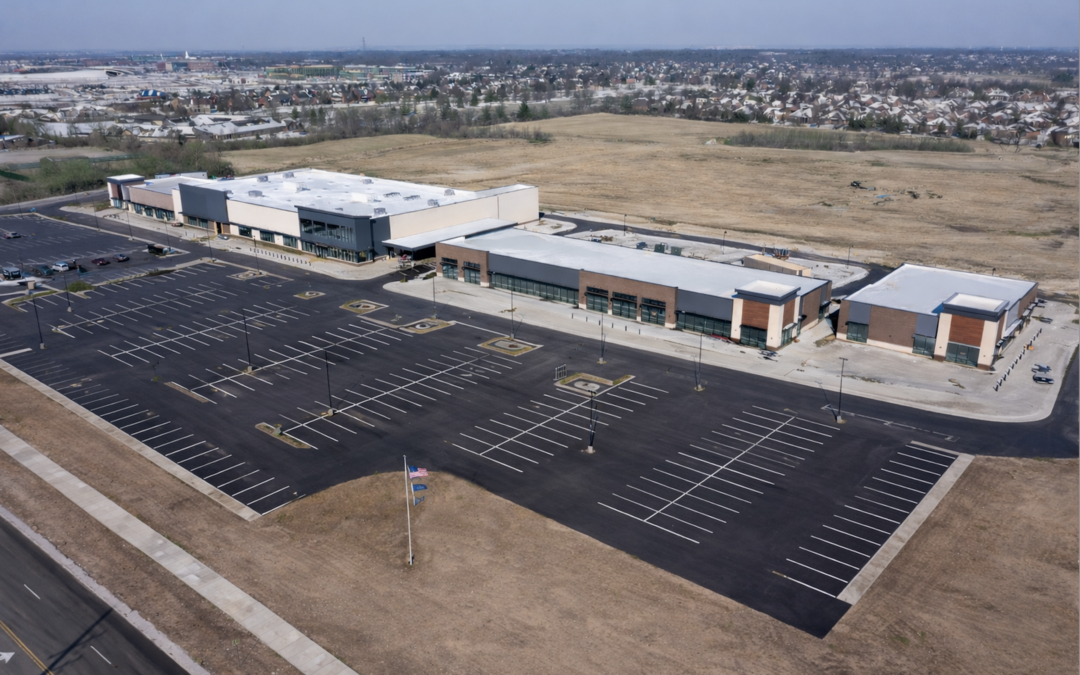
Retail continues to outperform expectations in many markets. Despite ongoing headlines about consumer caution, retailers are still actively pursuing expansion opportunities, particularly in high-traffic corridors and densely populated suburban trade areas.
The strongest demand is coming from necessity-based retailers, discount concepts, fitness operators, healthcare users, restaurants, and experiential brands seeking locations that drive both visibility and customer engagement.
One of the defining trends of the first half has been the continued scarcity of quality retail space. Many desirable centers remain highly occupied, limiting available inventory and creating competition for well-located vacancies.
As a result, landlords with strong assets continue to benefit from healthy leasing activity, while tenants are often planning site selections earlier and moving more decisively when opportunities become available.
Proactive Management That Protects Value
Strong property management is not just about responding to issues. It is about preventing them before they happen. A reactive approach can lead to deferred maintenance, higher capital costs, and avoidable tenant disruptions. Over time, those challenges can impact both occupancy and overall asset value.
Our team takes a proactive approach, focusing on regular inspections, preventative maintenance, and ongoing oversight of building systems. Mechanical, electrical, and plumbing infrastructure in particular require consistent attention to avoid costly failures and extend their useful life.
Much of this work happens behind the scenes, from coordinating vendors to monitoring systems and reviewing expenses. This level of oversight helps ownership anticipate capital needs early, prioritize improvements, and avoid unexpected costs that can disrupt performance.
Industrial: A Market Defined by Discipline, Not Decline
Following several years of unprecedented growth, the industrial market has entered a more balanced phase. Leasing activity remains steady, though occupiers are taking a more deliberate approach to expansion decisions.
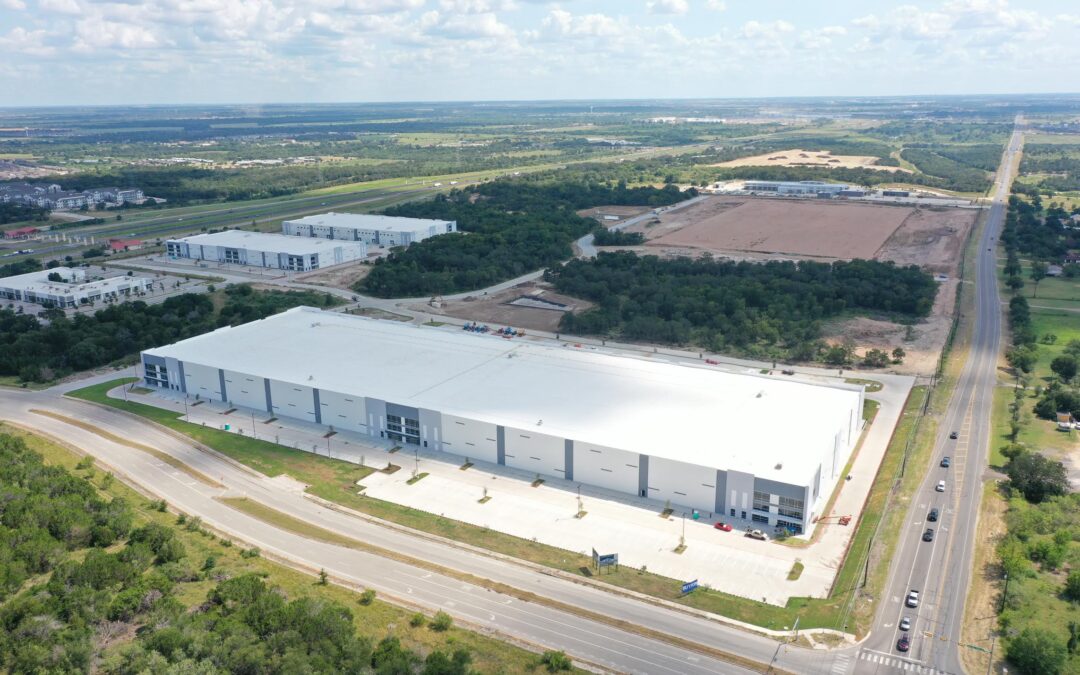
Companies continue to prioritize operational efficiency, supply chain resiliency, and strategic geographic positioning. Demand remains strongest for modern facilities that offer clear heights, efficient loading configurations, and access to major transportation networks.
While some markets have seen an increase in available space due to recent development deliveries, quality assets continue to attract interest from logistics providers, manufacturers, distributors, and e-commerce users.
The first half of the year suggests that industrial demand is not retreating—it is recalibrating. Occupiers are focusing less on rapid growth and more on long-term operational needs, creating opportunities for both landlords and tenants to negotiate from a more balanced position than in recent years.
Office: Signs of Stabilization Emerge
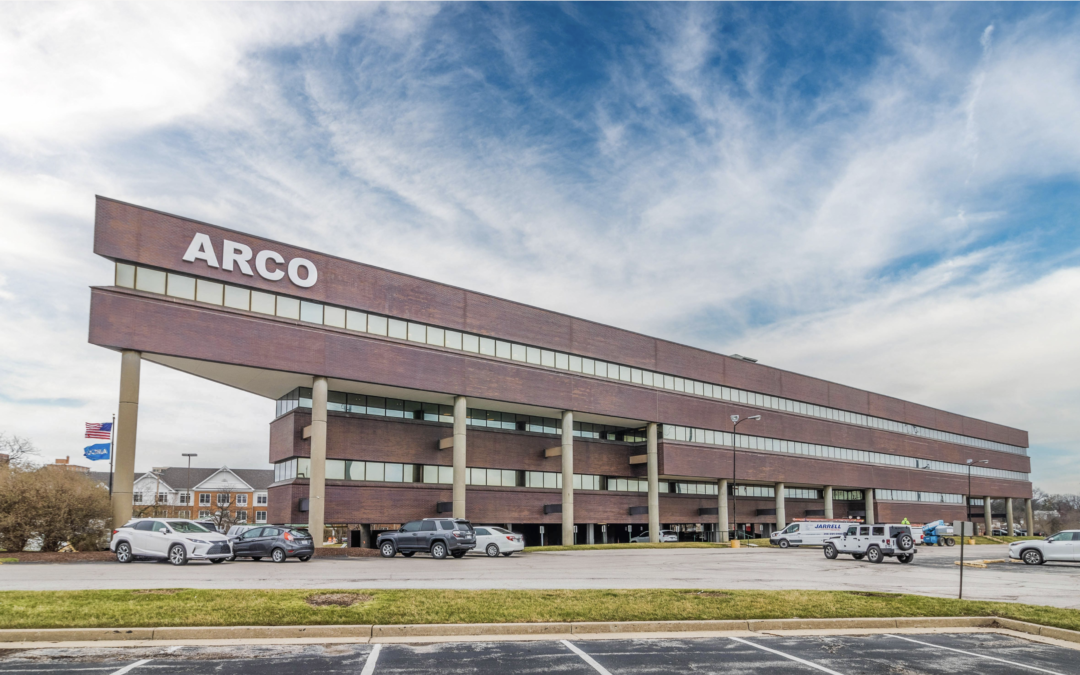
The office sector remains the most multifaceted segment of the commercial real estate market, but the first half of the year has provided encouraging signs of stabilization.
Many organizations have settled into long-term workplace strategies, allowing real estate decisions that were previously delayed to move forward. While overall demand remains below pre-pandemic levels, companies continue to lease space that supports collaboration, culture, and employee experience. The trend toward quality continues to dominate. Tenants are gravitating toward updated buildings with modern amenities, flexible floor plans, and desirable locations. In many cases, companies are reducing their overall footprint while upgrading the quality of the space they occupy.
This shift has created a widening performance gap between highly competitive office assets and properties that have not evolved to meet changing tenant expectations. For owners, the message is increasingly clear: investment in building quality, tenant experience, and operational efficiency remains critical to attracting and retaining occupiers.
What We’re Watching for the Second Half
Several themes are likely to shape commercial real estate activity through the remainder of the year. First, capital markets conditions will continue to influence transaction volume and development activity. Greater certainty around interest rates could help unlock additional investment and leasing decisions that have been deferred.
Second, occupiers across all property types are placing a premium on flexibility. Whether evaluating lease structures, expansion plans, or space configurations, businesses are seeking solutions that allow them to adapt as market conditions evolve.
Finally, quality continues to win. Across retail, industrial, and office sectors, the strongest demand is consistently concentrated in properties that offer strategic locations, modern functionality, and a compelling user experience.