For several years, the narrative around retail centered on disruption. E-commerce growth, store closures and shifting consumer behavior raised questions about the future of brick-and-mortar shopping. Yet across many suburban markets, a different story has been unfolding.
Neighborhood retail has quietly regained its footing, particularly in growing suburban communities where residents increasingly expect convenient access to dining, services and everyday essentials.
Retail still performs when it is in the right location and supported by the right tenant mix. Just as importantly, projects that generate leasing momentum early often position themselves for stronger long term success.
Why Neighborhood Retail Is Thriving Again
Retail today looks different than it did a decade ago, but the fundamentals that support neighborhood centers remain strong.
Many of the fastest growing retail categories are service-oriented and difficult to replicate online. Restaurants, salons, fitness studios, healthcare providers and specialty food concepts all rely on physical locations that are convenient and accessible to local communities.
At the same time, population growth in suburban markets has created new demand for retail infrastructure. As housing developments expand, nearby retail centers often follow, providing the everyday services residents expect within a short drive from home.
Retailers recognize this shift. Many brands that paused expansion during the pandemic have resumed growth strategies, particularly in well-located suburban corridors. In many markets, neighborhood retail vacancy remains tight, and high quality spaces continue to attract strong tenant interest.
The Power of Early Leasing Momentum
While location remains critical, another factor increasingly shaping the success of new retail developments is early leasing momentum. Securing tenants prior to project delivery is not always easy. Retailers want confidence in the site, surrounding demographics and long-term viability of the center. But when developers can successfully secure those early commitments, it creates a powerful signal to the market.
Anchor tenants and early leases help establish credibility and attract additional retailers looking to join a strong tenant lineup. That early activity often accelerates leasing velocity and helps developers curate a balanced mix of dining, services and neighborhood retail. By the time construction is complete, the center already has a foundation for long-term performance.
Village North: Momentum Before Opening
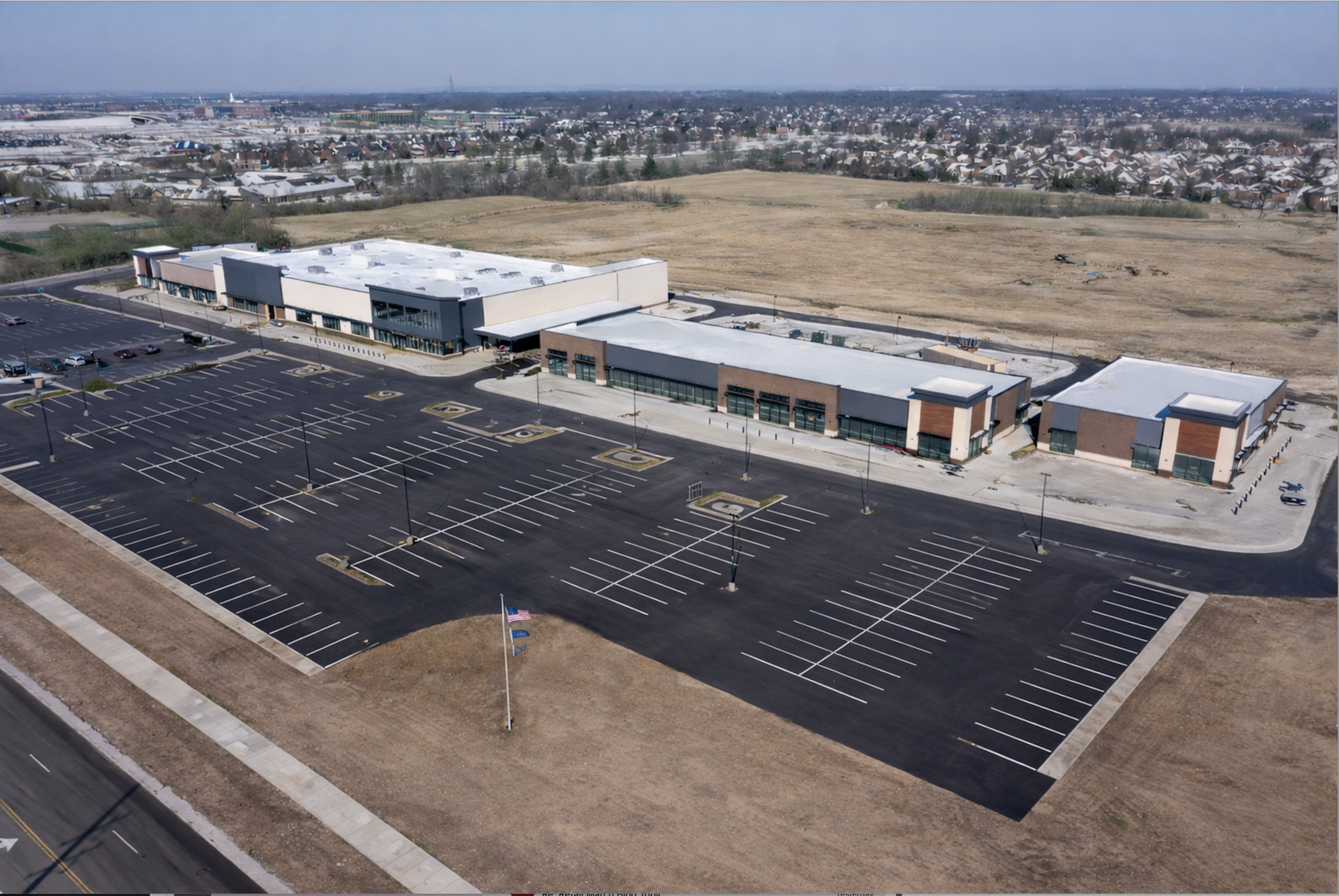
Sansone Group has seen this strategy play out firsthand at Village North, a newly constructed retail development in West Chester, Ohio. Anchored by Whole Foods Market, the center is designed to serve the surrounding community with a mix of convenient retail, dining and service-oriented tenants. Village North reflects the type of neighborhood center that continues to perform well in today’s environment.
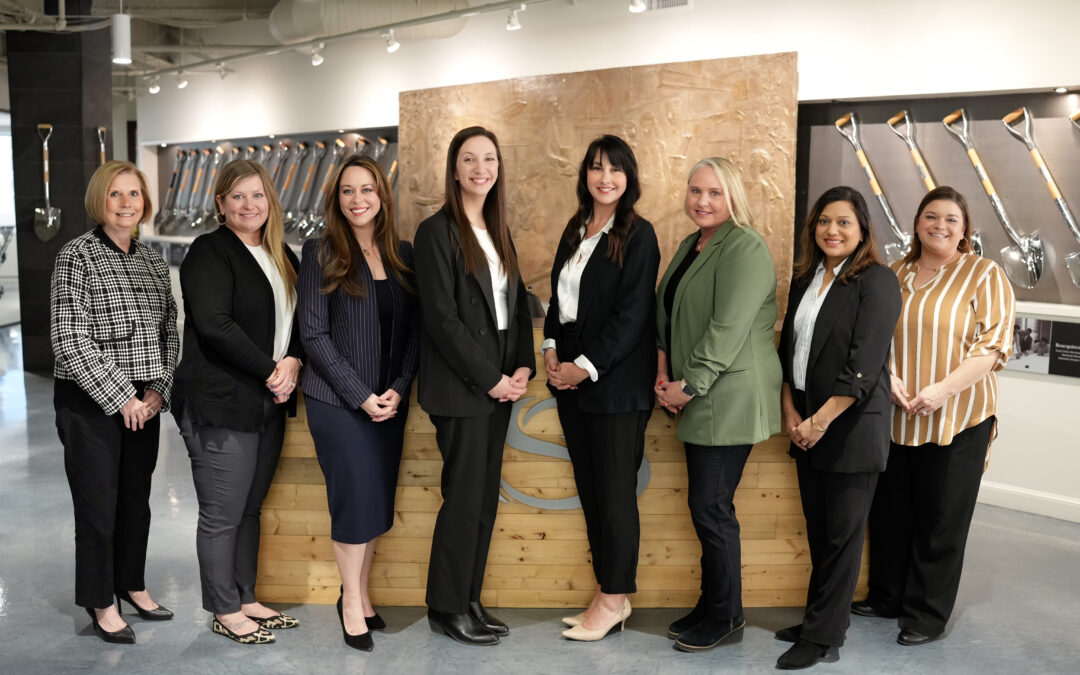
Even before the project’s completion, the development has generated significant leasing momentum. Sansone Group’s retail brokerage team recently completed nine lease transactions ahead of project delivery, a milestone that reflects both the strength of the market and the team’s execution.
Securing this level of leasing activity prior to completion presents unique challenges. It requires strong market insight, long standing relationships with retailers and a proactive leasing strategy that begins well before the doors open.
That early activity is already helping establish the foundation for Village North’s long term success. With multiple tenants committed and the project slated for completion this fall, the center is positioned to become a vibrant retail destination for the growing West Chester community.
Looking Ahead
Retail development continues to evolve, but neighborhood centers remain one of the most resilient segments of the market.
Consumers continue to prioritize convenience and accessibility. Retailers are expanding in markets where population growth supports new locations. Developers that thoughtfully curate tenant mixes and build early leasing momentum are seeing those projects gain traction quickly.
The comeback of neighborhood retail may not always dominate headlines. But in communities across the country, centers like Village North are demonstrating that when the fundamentals are strong and leasing momentum starts early, retail development can still deliver lasting value.