In 2025, the workplace is no longer just about square footage. For many organizations, real estate has become a strategic lever that shapes culture, attracts talent, and supports long-term business goals. Companies are rethinking what their office space should look like, how it should function, and, most importantly, what purpose it should serve.
Recent research underscores the scale of this shift. While U.S. office vacancy remains above 17%, demand for high-quality buildings is strong, with tenants showing a clear preference for Class A, amenity-rich properties. This “flight to quality” has created a divide: older, less efficient assets are struggling to attract tenants, while newer or renovated buildings in desirable locations continue to lease. Companies are seemingly willing to pay higher rents for spaces that align with employee experience and sustainability expectations.
Shaping a New Role for the Office
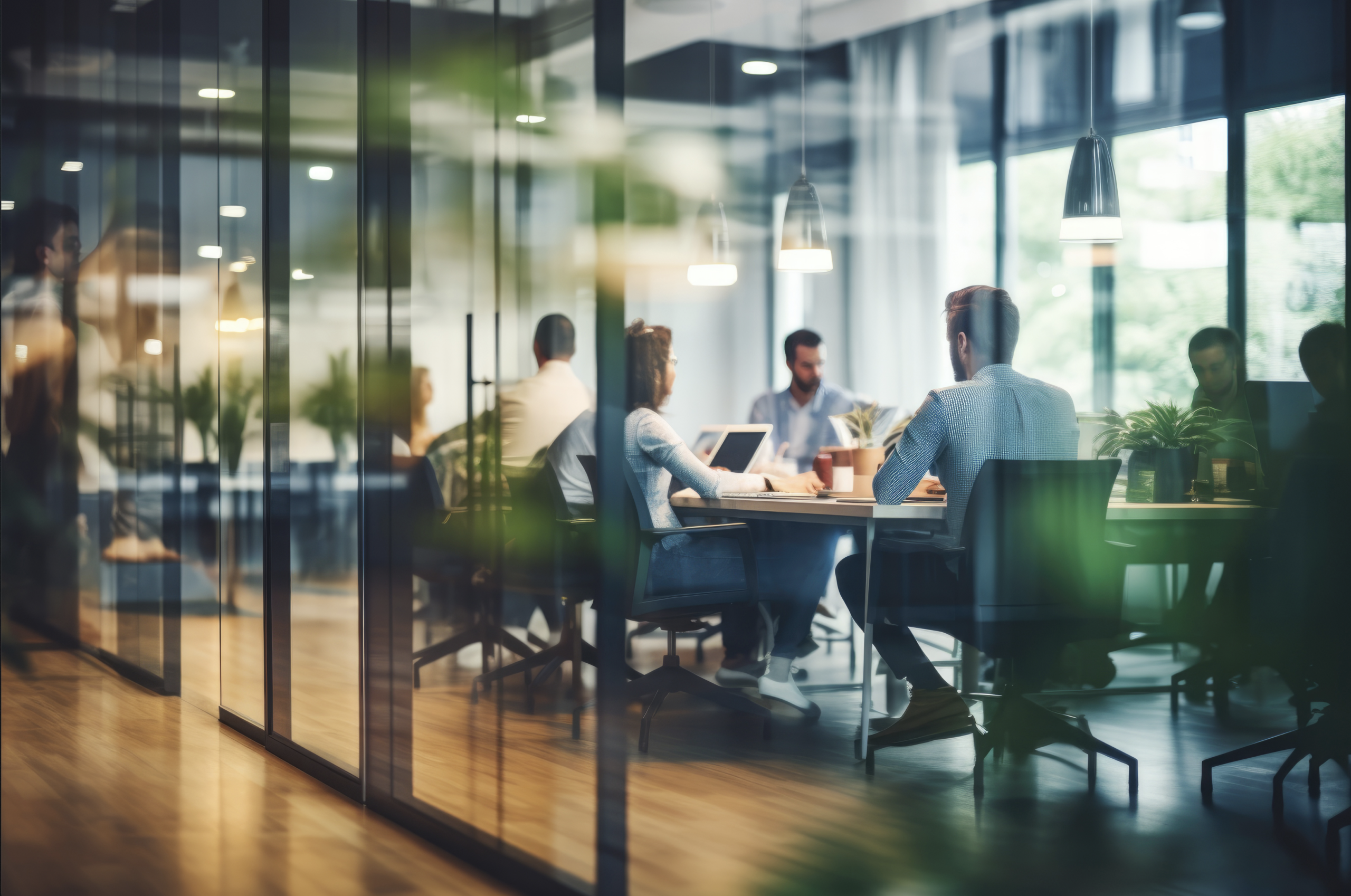
Hybrid work has become the norm, though organizations are still fine-tuning how it plays out. Flexible work is not synonymous with fully remote; instead, policies are being refined to balance autonomy with the benefits of in-person collaboration. Office utilization is climbing, and by late 2024, net absorption had turned positive for the first time in years. Still, companies continue to utilize space differently. Instead of dedicating most square footage to desks, more layouts now emphasize collaborative areas, wellness rooms, and shared amenities. Employees increasingly see the office as a hub for culture and connection rather than just a place to complete tasks.
Technology and sustainability are shaping these changes. Sensors, data analytics, and smart building systems allow companies to understand how spaces are used and adapt in real time. These investments not only improve efficiency but also signal that workplaces are designed with purpose. At the same time, pressure to meet ESG goals has made sustainable design an essential factor in real estate decisions. Landlords that invest in energy-efficient systems, wellness-focused design, and green certifications are better positioned to attract tenants and protect long-term value. Repositioning and upgrading existing properties has become vital to market competitiveness.
Turning Change Into Opportunity
At Sansone Group, we view these shifts as opportunities. Our work with clients reflects the understanding that the office is more than overhead. It is a strategic asset. We help businesses evaluate whether their space aligns with modern expectations, identify where upgrades or redesigns can create value, and reposition underperforming properties for new uses. Our perspective is that flexibility, wellness, and technology are no longer optional. They are a requirement to long-term relevance.
Real estate has always adapted to economic cycles, but the current transformation is about more than market timing. It is about redefining the purpose of the office and ensuring that it supports not only today’s operations but tomorrow’s talent strategies and cultural priorities. For companies and investors alike, the challenge is clear: reimagine the workspace as a competitive advantage. At Sansone Group, we are helping our clients do exactly that.