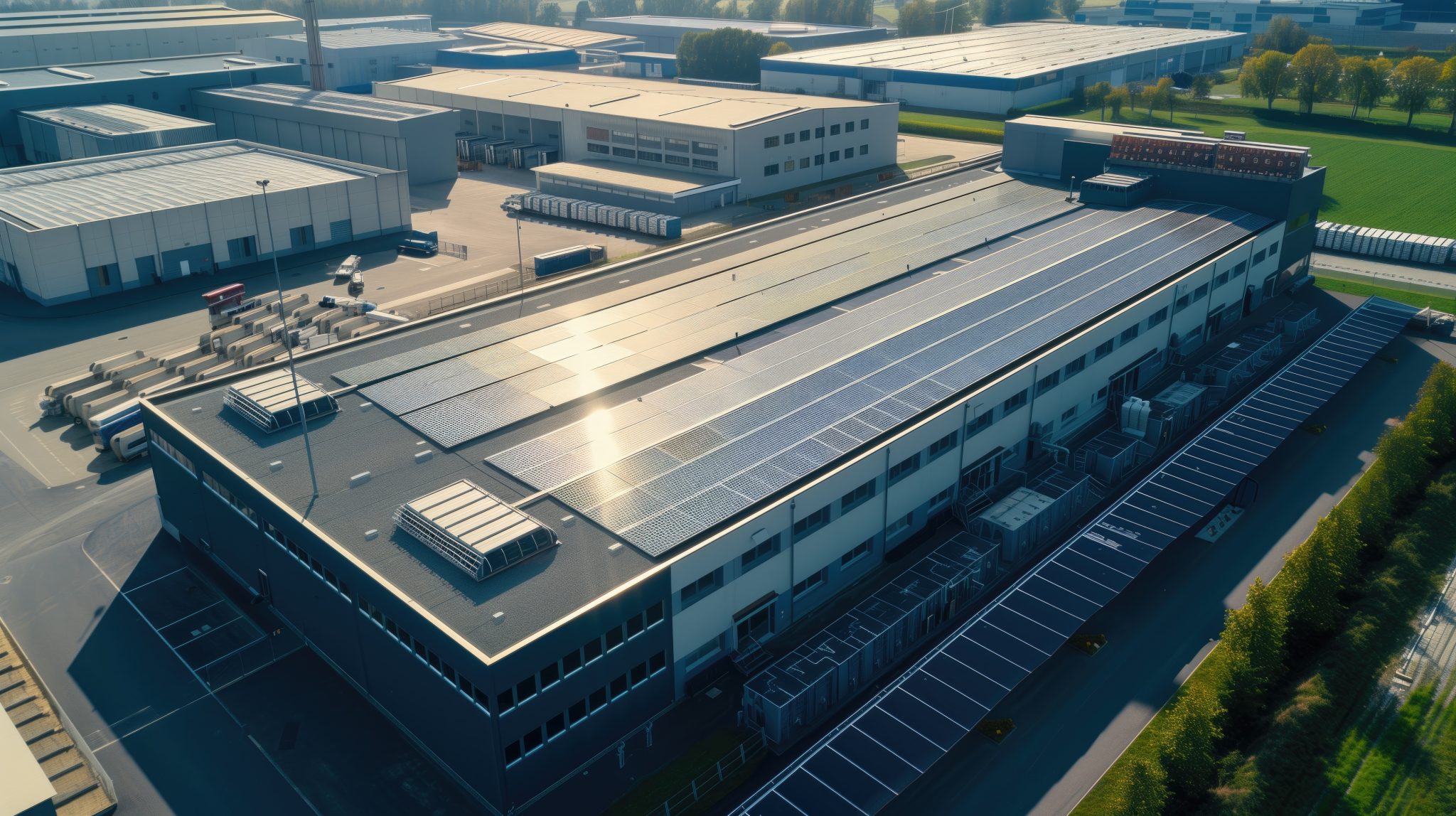
The industrial development and brokerage market is currently undergoing significant shifts, driven by various economic and geopolitical factors. This article delves into the latest trends, challenges, and future outlooks shaping this sector, particularly focusing on owner-user buildings, market competition, inventory constraints, and regional variations.
Unprecedented Low Vacancy Rates
Across the country, the industrial market is experiencing unprecedented low vacancy rates, especially in owner-user buildings. These are properties where companies own and occupy the building for their operations. The scarcity of available industrial spaces, ranging from 20,000 to 200,000 square feet, has driven a surge in purchase prices and lease rates. This situation mirrors the current housing market, where high demand and low supply create a highly competitive environment.
Escalating Competition and Purchase Trends
In typical industrial transactions, particularly on the sales side, it is common to see two or three interested parties. However, the current trend reveals a dramatic increase in competition. Owner-user buildings are now attracting 5 to 10 offers, and many exceeding the asking price. This heightened competition is not limited to sales but extends to acquisitions, where the lack of high-quality opportunities, coupled with high pricing and significant costs of capital, poses challenges for larger acquisitions.
Tight Inventory and Leasing Dynamics
Nationally, from the leasing front, there has been a noticeable pullback, although the market remains active for users seeking spaces between 30,000 and 50,000 square feet. Larger deals, particularly those involving spaces over 250,000 square feet up to a million square feet, have dwindled and larger blocks of sublease space are surfacing. Developers and owners in many markets that have buildings over 500,000 SF are desperate to see a market shift. This trend can be attributed to the fact that many large players secured substantial space during the pandemic and certain tier one and two markets were over built.
Regional Variations and Market Impact
Certain markets, such as Indianapolis, illustrate the disparity in the industrial real estate sector. Indianapolis currently has nine buildings around a million square feet that are vacant. This surplus affects big developers, particularly those with properties in secondary or tertiary markets. Conversely, owner-user properties continue to face exceptionally tight inventory, with demand outpacing supply, leading to a hyper-competitive environment in second and third generation space.
Challenges for Brokers
Brokers are navigating a challenging landscape characterized by a lack of deal flow. The current market conditions make it difficult to find suitable properties for clients due to constraints such as size, high prices, financing and location mismatches. Many brokers are finding themselves with multiple clients ready to purchase but unable to locate properties that meet their needs. This situation is causing frustration, although it is understood that market conditions are cyclical, and eventually there will be a softening.
Future Outlook: Stabilization and Opportunities
Looking ahead, there is cautious optimism that the market might stabilize. Key factors contributing to this potential stabilization include a decrease in the cost of capital and construction pricing. Additionally, the upcoming election is seen as a significant factor influencing market dynamics. Many capital groups are adopting a wait-and-see approach, staying on the sidelines until the political and economic landscapes become more clear. This geopolitical uncertainty has led to a reduction in active capital partners, further tightening the market.
The industrial development and brokerage market is navigating through a complex period marked by low vacancy rates, high competition, and tight inventory. Brokers and developers are facing significant challenges in meeting the high demand for industrial spaces. Despite these challenges, there is hope for market stabilization as economic conditions and political landscapes evolve. Understanding these trends and adapting strategies accordingly will be crucial for stakeholders in the industrial real estate sector to navigate this dynamic market successfully.