As commercial real estate enters 2026, the industry is moving into a true decision year. After several cycles of rapid adjustment across capital markets, construction costs, and occupier behavior, conditions are becoming more predictable. The year ahead is expected to be defined by selective growth, asset differentiation, and disciplined capital deployment rather than broad-based expansion. For developers, investors, and occupiers, strategy and execution will matter more than timing.
Capital Markets: Alignment and Selectivity
Capital markets are moving toward a more stable footing as buyers and sellers grow better aligned on pricing and investors gain confidence in the path of interest rates. Borrowing costs remain elevated by historical standards, but predictability is restoring activity—particularly in segments where long-term fundamentals are clear and downside risk feels manageable.
Capital remains selective, with a strong emphasis on basis, asset durability, sponsor capability, and intelligent structuring. Creativity in the capital stack is becoming more common as equity seeks to stay active and lenders protect credit quality.
Industrial: Still the Cycle’s Most Consistent Performer
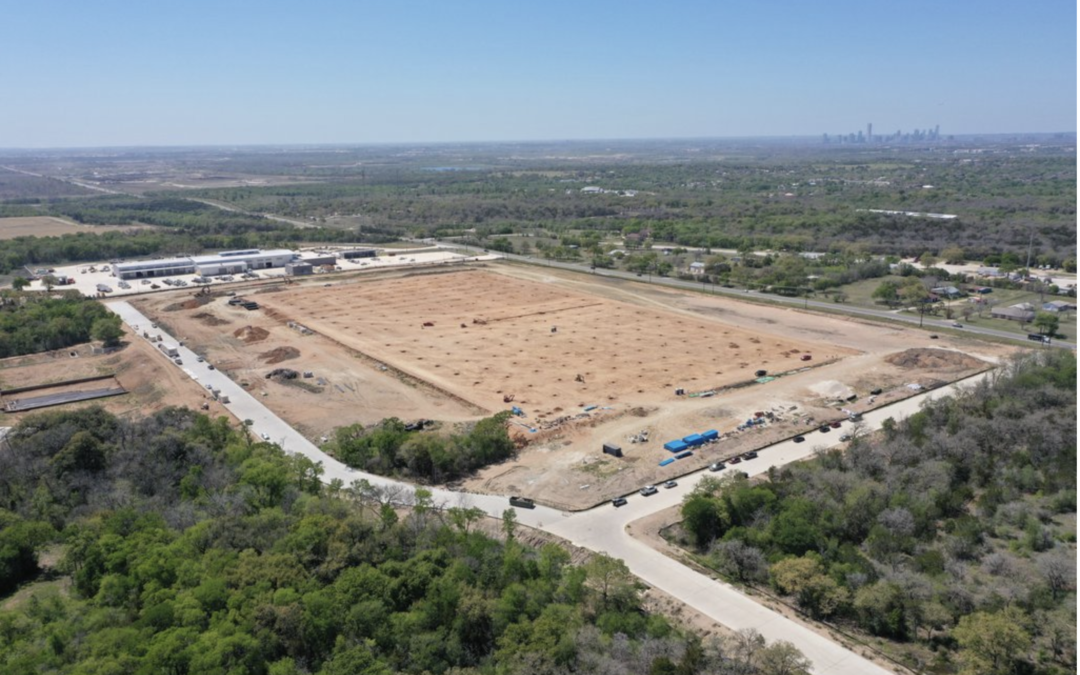
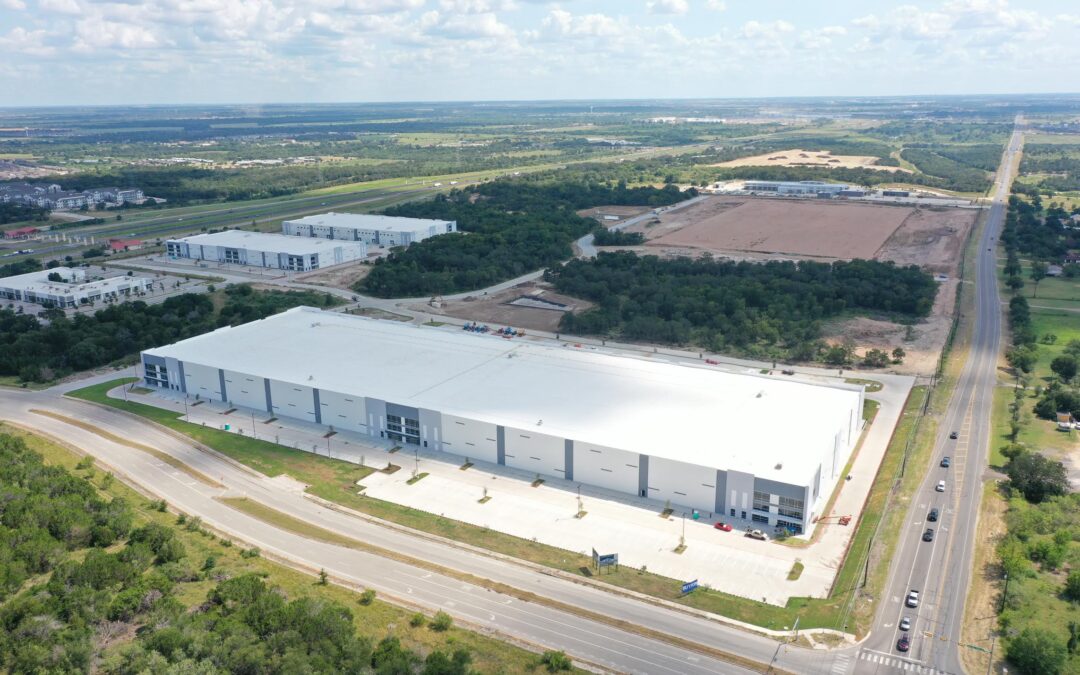
Industrial real estate continues to be one of the most resilient property types. Supply chain modernization, domestic and advanced manufacturing investment, reshoring initiatives, and steady e-commerce activity are supporting healthy demand even as speculative deliveries slow.
In many markets, absorption is expected to outpace new supply as construction pipelines tighten. Tenants are planning further ahead and securing well-located space earlier, and we’re seeing continued shifts toward build-to-suit, phased development, and disciplined site control. Power availability, utility capacity, and transportation connectivity are emerging as key differentiators.
While fulfillment and logistics continue to underpin the sector, data center, AI infrastructure, and advanced manufacturing users are expanding the definition of “industrial” and reshaping competitive dynamics across land, power, and capital.
Office: Repositioning Becomes Strategy, Not Triage
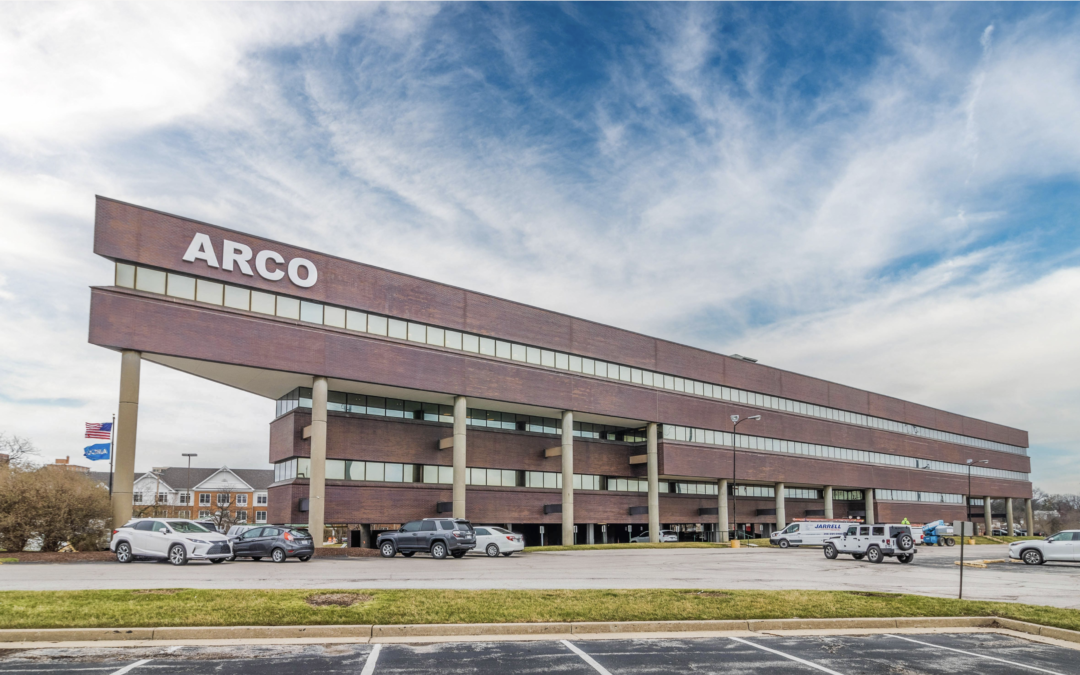
Office continues to undergo a significant transition with hybrid work now becoming a long-term reality. Tenants continue to gravitate toward high-quality, amenity-rich environments that drive collaboration and employee experience. Performance—not just location—is determining winners and laggards.
Much of the existing office inventory requires reinvestment to remain competitive, and owners are responding with targeted upgrades, hospitality-inspired design, flexible layouts, and modern amenities. Conversions to residential or mixed-use are gaining traction in select urban markets where demand drivers support feasibility. The sector is bifurcating: modern, well-located assets are stabilizing first, while older and less adaptable buildings face conversion or obsolescence.