In commercial real estate, it’s easy to define success by the outcome. A deal gets done. A building is delivered. A lease is signed. But those milestones only tell part of the story. What often gets overlooked is everything that comes before and everything that follows. The relationships built along the way. The history tied to the land. The long-term impact a project has on the people and communities around it.
At Sansone Group, that broader perspective has always shaped how we approach development. These projects don’t exist in a vacuum. They become part of a community’s fabric, and in many cases, part of a family’s legacy.
Where Every Project Begins
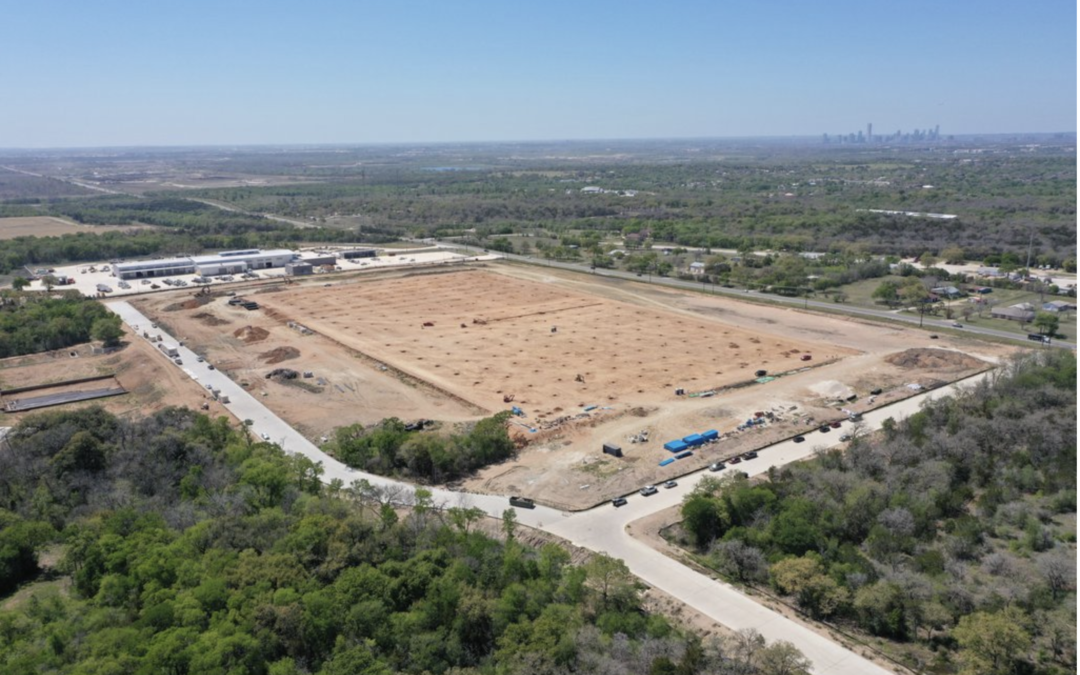
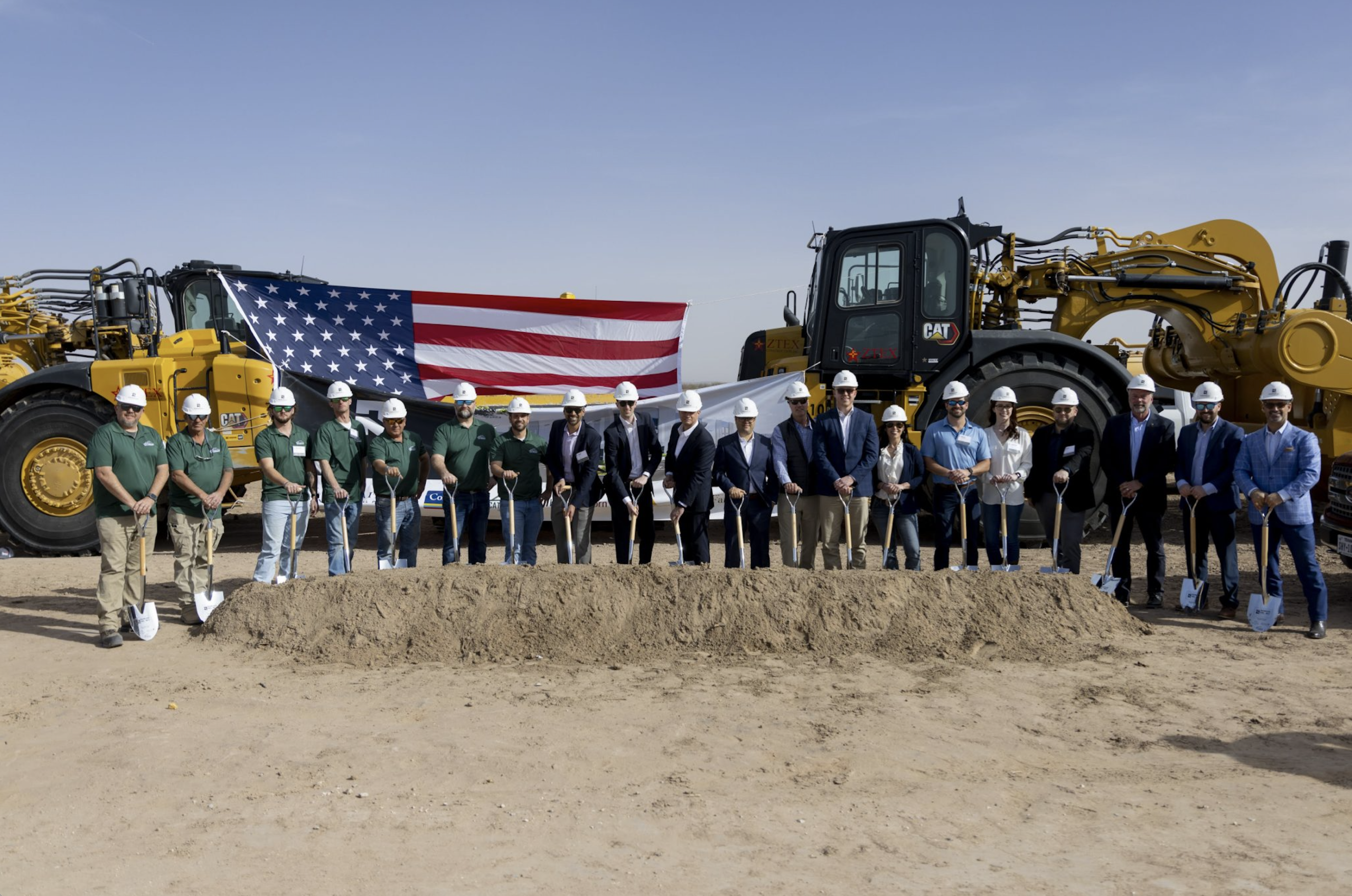
That was especially clear in our work at Rancho Del Rey Logistics Park in El Paso. Long before construction began on Phase II, the land carried a great deal of history. It had been owned by the same family for generations, and with that came a deep sense of responsibility around what would come next. This wasn’t just a transaction. It was a transition.
Our team spent more than a year working alongside the seller, not just negotiating terms, but building a relationship and understanding what the land meant to him and his family. What mattered to them wasn’t only the outcome of the deal, but how the project would carry forward their values and their story.
The name Rancho Del Rey reflects that legacy, honoring the seller’s grandfather, King Benjamin Ivey, and the principles that guided their family over decades. It set a tone for the project that went beyond square footage. It made it clear that what we were building needed to respect what had come before it.
Scale and Responsibility
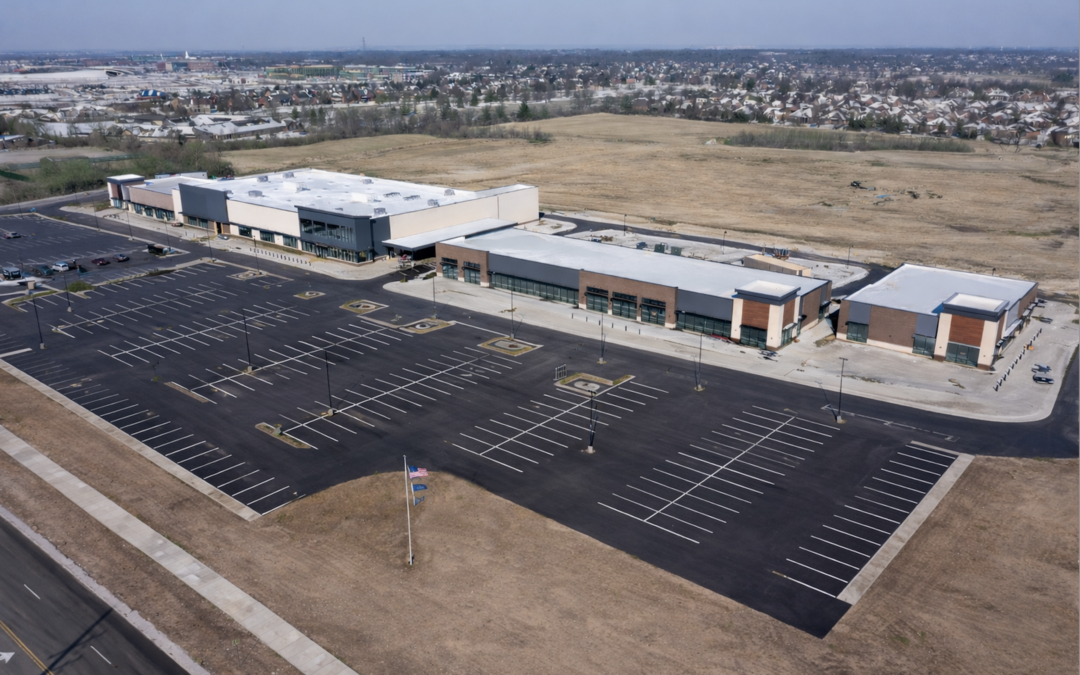
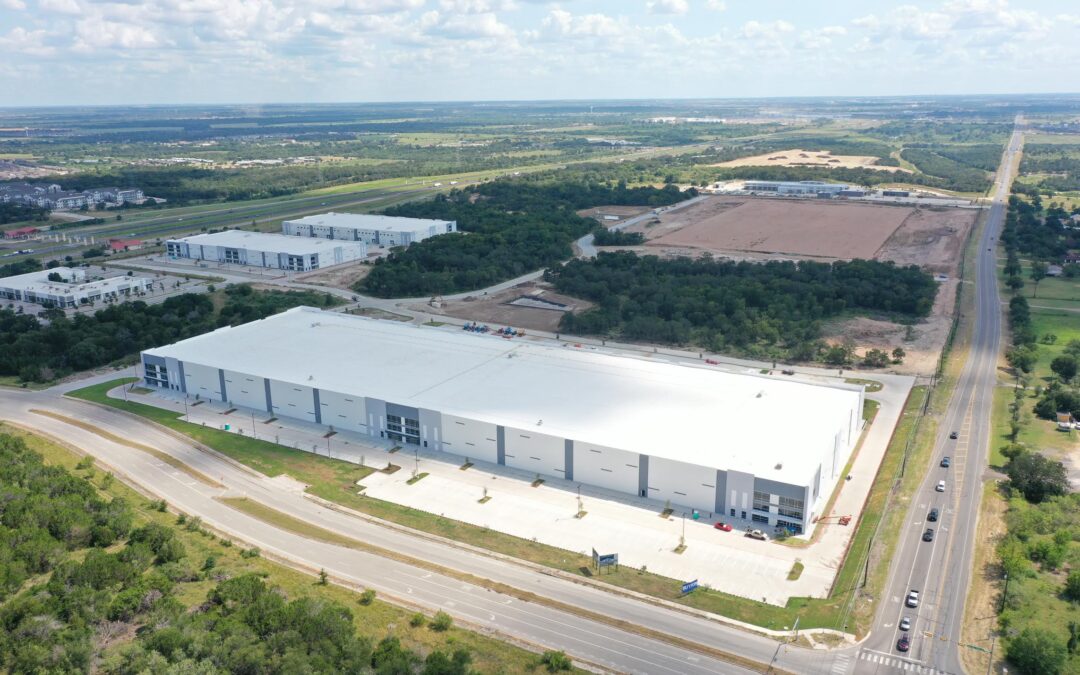
At the same time, the scale of the development brought a different kind of responsibility. With 3.8 million square feet of planned Class A industrial space across approximately 235 acres, and a strategic location near I-10, Loop 375, and the Zaragoza Port of Entry, the project plays a meaningful role in the region’s economic growth. Each phase contributes to something larger, supporting cross-border trade, creating jobs, and helping position El Paso as a critical logistics hub. That kind of outcome requires a deliberate approach, one that balances performance with a broader sense of responsibility.
What Experience Has Taught Us
From our experience, a few principles consistently shape projects that deliver both.
1. Alignment has to happen early. It’s not enough to agree on price and terms. The most successful developments start with a shared understanding of what the project is meant to become. That includes the landowner’s perspective, the municipality’s priorities, and the long-term vision for the site. When that alignment is there, decisions move faster and with more clarity.
2. Time invested upfront pays off later. Spending a year building a relationship is not always the fastest path to a closing, but it often leads to a better outcome. It reduces friction during negotiations and creates trust when challenges arise.
3. Scale also increases responsibility. Projects like Rancho Del Rey are not just serving individual tenants. They are shaping regional infrastructure and contributing to long-term economic momentum. That requires a thoughtful approach to planning, partnerships, and delivery.
4. Finally, relationships extend beyond the deal. The closing is not the finish line. In many cases, it’s the beginning of an ongoing partnership that continues to influence how a project evolves.
These principles are shaped by real projects and real partnerships, and in El Paso they helped guide a development that respects a family’s legacy while contributing to the future of the region.
As expectations around development continue to evolve, that level of responsibility is only becoming more important. Communities are more engaged, partners are more selective, and tenants are more thoughtful about where they locate. Meeting those expectations requires more than execution. It requires intention. Because in the end, success in commercial real estate isn’t just defined by what gets built. It’s defined by how it’s built, who it serves, and what it makes possible long after the deal is done.